
1121 Basmati rice is one of the most in demand rice variety in international trade. This is due to its pleasant aroma, extra-long grain and post-cooking elongation. However, 1121 Basmati comes in several sub varieties depending on its processing methods. Each subvariety has its own distinct properties. This article breaks down the differences between Raw, Steam, White/Creamy Sella, and Golden Sella 1121 Basmati rice to help you choose the right variety as per your needs.
1. What is 1121 Basmati Rice?
1121 Basmati rice is one among the premium varieties of long-grain rice cultivated primarily in the northern regions of India. It is known for its distinct aroma ,exceptional length (up to 22mm when cooked) & soft texture .
The type of processing it undergoes—raw, steam, or sella—significantly affects its cooking characteristics, color & shelf life.
What does 1121 Means in Basmati Rice ?
2. Overview of the Four Types :
Here’s a quick look at the four main types of 1121 Basmati rice:
- Raw 1121 Basmati
- Steam 1121 Basmati
- White/Creamy Sella 1121 Basmati
- Golden Sella 1121 Basmati
1. Raw 1121 Basmati Rice :
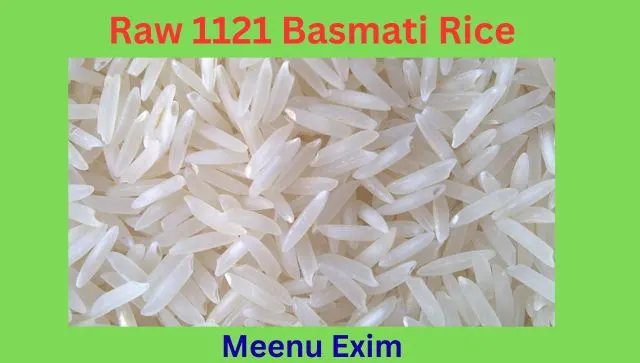
- Processing: The Raw type of Basmati rice is the rice which is directly milled without any pre-treatment.
- Appearance: It has bright white & slender grains.
- Aroma: It has a Strong, traditional basmati aroma
- Cooking: Soft, fluffy & quick to cook
- Uses: Generally used in daily home use, fine dining & traditional meals as well.
- Pros: Authentic aroma and taste.
- Cons: Generally, have shorter shelf life. Also prone to breakage if not handled carefully
2. Steam 1121 Basmati Rice :
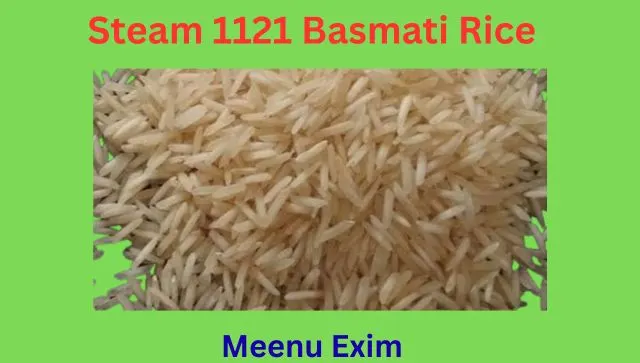
- Processing: This type of rice is the rice in which paddy is steamed before milling. This is done to improve durability.
- Appearance: Slightly off-white, less glossy than raw.
- Aroma: Balanced & slightly subdued aroma.
- Cooking: Requires medium cooking time. Grains remain separate and elongated after cooking.
- Uses: Generally, use in biryani & pulao. Also commonly used in restaurants.
- Pros: Better shelf life & firmer grains.
- Cons: Less aromatic than raw.
3. White/Creamy Sella 1121 Basmati Rice:
- Processing: This type of rice is lightly parboiled i.e., soaked, steamed and dried before milling.
- Appearance: Creamy white to pale yellow color.
- Aroma: Milder than raw 1121 basmati rice
- Cooking: Longer time, but non-sticky and elongated grains.
- Use Cases: Export markets, bulk catering, foodservice.
- Pros: Very long shelf life, retains shape well.
- Cons: Light aroma, requires more water and time to cook.
4.Golden Sella 1121 Basmati Rice:
- Processing: This type of rice is intensely parboiled to create a golden hue.
- Appearance: Golden-yellow grains.
- Aroma: Light aroma.
- Cooking: Longest cooking time among all types of 1121 Basmati rice. Firmest texture.
- Uses: Used in institutional cooking & visually appealing rice dishes.
- Pros: Visually striking, highly durable for long transport.
- Cons: Least aromatic of all varieties of 1121 Basmati rice.
3. Key Differences at a Glance :
| Type | Processing type | Color | Aroma | Cooking Time | Uses |
| Raw 1121 | Direct milling | White | High | Fast | Home, fine dining |
| Steam 1121 | Steamed before milling | Off-white | Medium | Medium | Biryani, pulao |
| Creamy Sella 1121 | Lightly parboiled | Creamy yellow | Mild | Long | Export, foodservice |
| Golden Sella 1121 | Fully parboiled | Golden yellow | Low | Longest | Display dishes |
4. How to choose the right variety ?
- Home Use: Use Raw or steam type for good aroma and ease of cooking.
- Restaurants: Use Steam or golden sella for better appearance and texture.
- Exporters: Prefer Creamy and golden sella due to durability and long shelf life.
- Institutional Buyers: Buy Golden sella for stability and consistency.
- Health-Conscious Consumers: Use Sella varieties because of their slightly lower glycemic index.
5. Conclusion
Whether you’re a home chef, commercial buyer, or exporter, understanding the differences between the different varieties can help you choose the best type for your needs.
Each type i.e., raw, steam, creamy sella, or golden sella—has distinct advantages in appearance aroma and cooking performance.
For personalized advice or bulk inquiries, feel free to contact us!
Also Read : Rice Varieties Decoded : Exposing the 4 core categories